Navigating Life with Severe Allergies to Peas Peanuts and Almonds and the Role of EpiPens
Living with severe food allergies can be a daily challenge that affects many aspects of life, from what you eat to how you socialize. For those allergic to peas, pea protein, peanuts, and almonds, the risks are significant and require constant vigilance. This blog post explores the realities of managing these allergies, how they shape eating habits, and the critical role that EpiPens play in emergency situations.

Understanding Severe Allergies to Peas, Pea Protein, Peanuts, and Almonds
Food allergies occur when the immune system mistakenly identifies a harmless food protein as a threat and triggers a reaction. Peas, pea protein, peanuts, and almonds are all legumes or nuts that can cause severe allergic reactions in some people. These allergies are not only common but can also be life-threatening.
Peas and pea protein are increasingly used in plant-based foods and protein supplements, making avoidance difficult.
Peanuts and almonds are among the most common nut allergies and can cause reactions ranging from mild itching to anaphylaxis.
Symptoms can include hives, swelling, difficulty breathing, stomach pain, and in severe cases, loss of consciousness. Because these foods are common ingredients in many processed foods, reading labels carefully is essential.
How Allergies Shape Eating Habits and Lead to Picky Eating
Severe allergies to multiple foods often result in a very limited diet. This limitation can make someone a picky eater, not by choice but by necessity. Avoiding peas, pea protein, peanuts, and almonds means:
Constant label reading to avoid hidden ingredients.
Avoiding many processed and packaged foods that may contain these allergens.
Limited options when eating out or attending social events.
Fear of cross-contamination in kitchens or food preparation areas.
This cautious approach can lead to a narrow range of safe foods, which might feel repetitive or less enjoyable. Over time, this can affect nutrition and social experiences related to food.
Practical Tips for Managing Allergies and Expanding Food Choices
Living with these allergies requires a proactive approach. Here are some strategies that can help:
Learn to cook at home using fresh, whole ingredients to control what goes into your meals.
Explore allergy-friendly recipes that avoid peas, peanuts, almonds, and pea protein.
Communicate clearly with restaurants and hosts about your allergies.
Use apps or resources that help identify safe foods and brands.
Carry safe snacks when traveling or attending events to avoid risky situations.
By expanding your knowledge and resources, you can improve your diet variety and reduce anxiety around eating.
The Critical Role of EpiPens in Allergy Management
An EpiPen is an auto-injector device that delivers epinephrine, a medication that can reverse severe allergic reactions quickly. For people with allergies to peas, peanuts, almonds, and pea protein, carrying an EpiPen is often a lifesaver.
Epinephrine works by opening airways, reducing swelling, and improving blood flow.
Immediate use of an EpiPen during an allergic reaction can prevent fatal outcomes.
Training on how to use an EpiPen is essential for patients and those around them.
It is important to carry two EpiPens at all times, as sometimes a second dose is needed if symptoms persist or emergency services are delayed.
Living Confidently Despite Allergies
While severe allergies can feel limiting, many people lead full, active lives by managing their condition carefully. Building a support network of family, friends, and healthcare providers helps reduce stress and improve safety.
Educate those around you about your allergies and how to respond in an emergency.
Join allergy support groups to share experiences and tips.
Stay informed about new allergy research and treatments.
With the right tools and mindset, it is possible to enjoy life while staying safe.
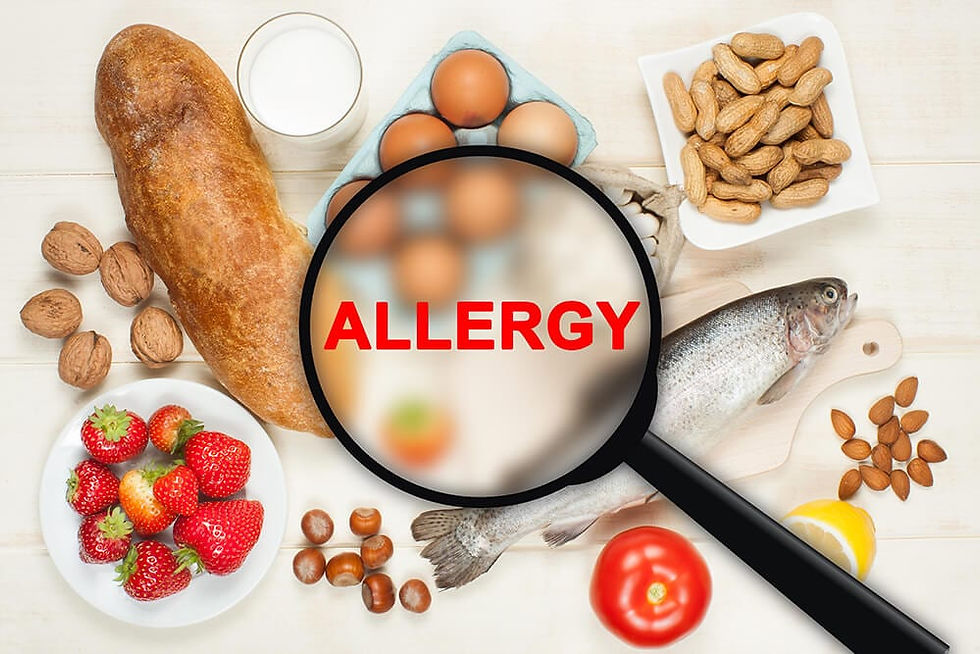
Severe allergies to peas, pea protein, peanuts, and almonds require constant attention and care. They shape eating habits and social interactions but do not have to define your life. Carrying an EpiPen and knowing how to use it provides a critical safety net. By learning to navigate these challenges with practical strategies and support, you can maintain a balanced lifestyle and reduce the risks associated with these allergies.
If you or someone you know lives with these allergies, take steps today to improve safety and quality of life. Talk to your healthcare provider about allergy management and make sure you always have access to emergency medication. Your health and peace of mind depend on it.
Do you have any allergies? And how do you cope with it? Let me know.


Comments